Com Hot - Www Indian House Wife Sex Mms
Adjust playback speed for any video. Video speed controller for your videos
 DOWNLOAD NOW
Adjust playback speed for any video. Video speed controller for your videos
DOWNLOAD NOW
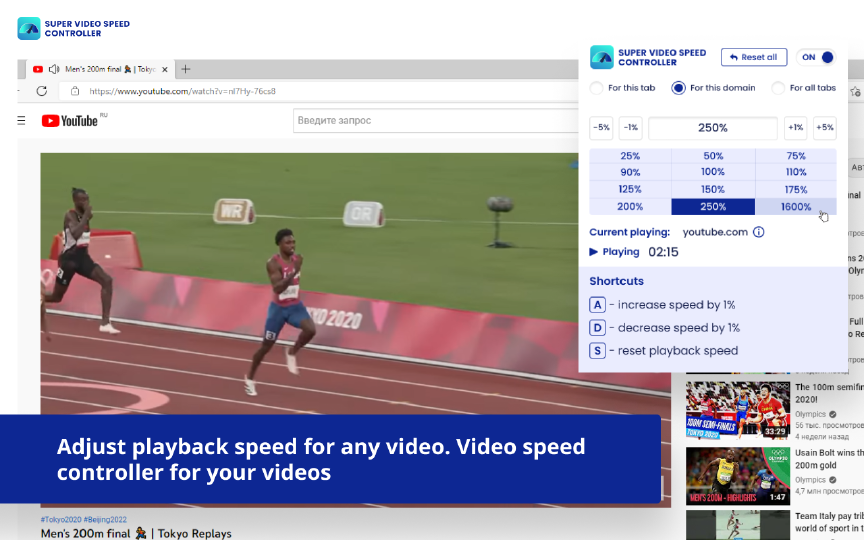
Super Video Speed Controller allows to increase or decrease playback speed on any web site.
Features:
🎥 Work almost everywhere
🎥 You can adjust using presets or set a custom speed as a percentage
🎥 Use shortcuts
Quick Start: Find the “Super Video Speed Controller” icon by opening the menu under the “puzzle” icon on the toolbar.
 DOWNLOAD NOW
Download and install the extension from the Google Chrome Webstore or Edge Add-ons marketplace
Steps:
Open the video in the active tab. Start playback.
Adjust using the extension’s popup:
The technology works both on large sites and on little-known ones. The coverage of the sites is 99%
You can put it as a percentage and specify the exact value (e.g. +17; -29). Unlike, for example, the Youtube player, where you can put only certain values that are offered to you.
Use the following Keyboard shortcuts:

Super Video Speed Controller for Chrome is available in Chrome Web Store

Super Video Speed Controller for Edge is available in the Edge Add-ons marketplace.
Romantic storylines were largely absent from these shows, as marriage was portrayed as a stable, secure institution. The focus was on the comedic misadventures of the housewife, rather than her romantic life. However, this began to change in the 1970s, with the rise of more nuanced, realistic portrayals of housewife relationships.
The 2000s saw a resurgence of interest in housewife relationships, with the emergence of shows like "Desperate Housewives" (2004-2012) and "Suburgatory" (2011-2019). These shows updated the classic housewife narrative, presenting a more satirical, tongue-in-cheek take on suburban life. www indian house wife sex mms com hot
These shows explored themes like infidelity, marital problems, and women's liberation, adding depth to the traditional housewife narrative. Romantic storylines became more prominent, with housewives experiencing desires, affairs, and marital crises. This newfound complexity reflected the changing social landscape, as women began to reevaluate their roles and expectations within marriage. Romantic storylines were largely absent from these shows,
Housewife relationships and romantic storylines have captivated audiences for decades, offering a unique lens through which to examine societal attitudes towards marriage, family, and women's roles. From the idealized portrayals of the 1950s to the complex, nuanced depictions of today, these storylines have evolved to reflect changing social values and cultural norms. The 2000s saw a resurgence of interest in
The 1950s and 1960s are often referred to as the "Golden Age" of housewife relationships. TV shows like "I Love Lucy" (1951-1957), "The Donna Reed Show" (1958-1966), and "Leave It to Beaver" (1957-1963) depicted the idealized suburban family, with a stay-at-home mom, a breadwinning dad, and 2.5 kids. These shows presented a sanitized, aspirational vision of married life, where housewives were content with their domestic roles and devoted to their families.
The protagonist of "Desperate Housewives," Bree Van de Kamp (Marcia Cross), was a quintessential example of the modern housewife. Her seemingly perfect marriage and family life belied a complex web of secrets, desires, and romantic entanglements. The show's success can be attributed to its exploration of themes like infidelity, identity, and the performance of femininity.
In this article, we'll explore the evolution of housewife relationships and romantic storylines, examining their impact on popular culture, and what they reveal about our collective desires, anxieties, and values.