Software vendors use dongles to control access to their products, and in many cases, the dongle is required to run the software. This approach provides an additional layer of security and helps to prevent unauthorized use or distribution of the software.

The USB Wibu Key dongle emulator 12 is a complex topic that requires careful consideration of the benefits and risks. While emulators may offer a convenient solution for specific use cases, it is essential to evaluate the implications and potential risks associated with using such technology.

The Wibu Key dongle is a popular licensing solution developed by Wibu-Systems, a German-based company specializing in software protection and licensing. The Wibu Key dongle is a USB-based device that contains a unique identifier and uses advanced encryption algorithms to secure communication with the software.

In the world of software licensing, dongles have become a popular method for protecting intellectual property and ensuring that only authorized users have access to specific programs. One such dongle is the Wibu Key, a widely used USB-based licensing solution. However, for various reasons, some individuals and organizations may seek to use a USB Wibu Key dongle emulator 12. In this article, we will explore the concept of dongle emulation, the Wibu Key dongle, and the emulator 12, as well as the implications and potential risks associated with using such technology.

The emulator 12 works by replicating the communication protocol and behavior of a physical Wibu Key dongle. When a software application requests a Wibu Key dongle, the emulator 12 responds as if it were a physical dongle, providing the required information and authentication.

A USB Wibu Key dongle emulator 12 is a software or hardware solution designed to mimic the behavior of a physical Wibu Key dongle. The emulator 12, in particular, refers to a specific version of the emulation software or hardware.

A dongle is a small hardware device that plugs into a computer's USB port and acts as a secure key to unlock software. Dongles are used to prevent software piracy, ensure compliance with licensing agreements, and protect intellectual property. They typically contain a unique identifier and may use encryption and other security measures to prevent tampering or cloning.
usb wibu key dongle emulator 12
SNMP Network-based UPS management

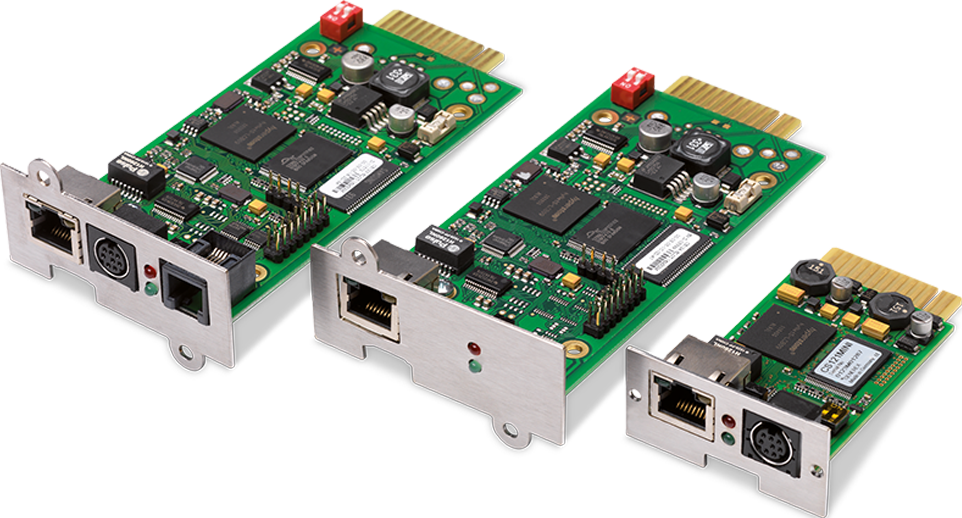
SNMP adapters are communication extensions for the monitoring of UPS devices via the network or web.


If needed, a phased shutdown of all relevant servers in the network is possible. Via Wake- up-on-LAN, the servers can be re-activated. This enables an automated shutdown and reboot of the system. The UPS can also be configured and monitored by network management software with the integrated SNMP agent according to RFC1628.


The PRO and mini version of the SNMP adapter further enables the integration of features such as area access control, air condition or smoke and/or fire detectors. In addition, temperature and humidity can be measured and administered by means of optical sensors. The SNMP PRO adapter enables, among other features, the connection of an intelligent load management distributor.

Usb Wibu Key Dongle Emulator 12 Direct

Software vendors use dongles to control access to their products, and in many cases, the dongle is required to run the software. This approach provides an additional layer of security and helps to prevent unauthorized use or distribution of the software.

The USB Wibu Key dongle emulator 12 is a complex topic that requires careful consideration of the benefits and risks. While emulators may offer a convenient solution for specific use cases, it is essential to evaluate the implications and potential risks associated with using such technology. usb wibu key dongle emulator 12

The Wibu Key dongle is a popular licensing solution developed by Wibu-Systems, a German-based company specializing in software protection and licensing. The Wibu Key dongle is a USB-based device that contains a unique identifier and uses advanced encryption algorithms to secure communication with the software. Software vendors use dongles to control access to

In the world of software licensing, dongles have become a popular method for protecting intellectual property and ensuring that only authorized users have access to specific programs. One such dongle is the Wibu Key, a widely used USB-based licensing solution. However, for various reasons, some individuals and organizations may seek to use a USB Wibu Key dongle emulator 12. In this article, we will explore the concept of dongle emulation, the Wibu Key dongle, and the emulator 12, as well as the implications and potential risks associated with using such technology. While emulators may offer a convenient solution for

The emulator 12 works by replicating the communication protocol and behavior of a physical Wibu Key dongle. When a software application requests a Wibu Key dongle, the emulator 12 responds as if it were a physical dongle, providing the required information and authentication.

A USB Wibu Key dongle emulator 12 is a software or hardware solution designed to mimic the behavior of a physical Wibu Key dongle. The emulator 12, in particular, refers to a specific version of the emulation software or hardware.

A dongle is a small hardware device that plugs into a computer's USB port and acts as a secure key to unlock software. Dongles are used to prevent software piracy, ensure compliance with licensing agreements, and protect intellectual property. They typically contain a unique identifier and may use encryption and other security measures to prevent tampering or cloning.

Call in the experts

We are ready and waiting to offer trusted, expert advice on how to overcome your power challenges and set your organization up for the future. Please get in touch and we will show you what we can do.

Sign up to our newsletter

Be the first to hear about our latest work, insights and successes.