Modern cinema has realized that the most dramatic thing in the world isn't a car chase or a superhero landing; it is a fourteen-year-old, after three years of silence, voluntarily calling their stepmother "Mom" for the first time—or choosing not to. In that silence, in that tension, lies the truest story of our age: The radical, heroic, and heartbreaking act of building a family out of the leftover pieces of broken ones.
Modern cinema has finally caught up with this reality. No longer relegated to slapstick "wicked stepparent" tropes or saccharine after-school specials, contemporary films are exploring blended family dynamics with a depth, nuance, and grit that rivals any other dramatic genre. Today, the most compelling family dramas aren't about blood feuds; they are about the silent treaties signed over breakfast cereal, the territorial wars over living room space, and the radical, difficult act of learning to love a stranger. The first major evolution is the death (or at least, the radical rehabilitation) of the villainous stepparent. Historically, from Cinderella to The Parent Trap , the incoming adult was a figure of pure antagonism. Modern cinema, however, has traded caricature for character studies.
, directed by Sean Anders (who based it on his own life), is the benchmark here. Starring Mark Wahlberg and Rose Byrne as first-time foster parents to rebellious teen Lizzy (Isabela Merced) and two younger siblings, the film refuses to sanitize the process. It doesn't flinch at the "honeymoon phase" followed by the inevitable "crash." We see the teens sabotaging the relationship, stealing cars, and weaponizing their trauma against well-meaning adults. The "blending" is portrayed as guerrilla warfare: trust is not built; it is painfully excavated from rubble.
The Brady Bunch is dead. Long live the beautiful, chaotic, blended mess.
Similarly, explores the "family" of van-dwellers. While not a traditional step-family, the "blending" of Fern (Frances McDormand) with the nomadic community—sharing meals, repairing tires, burying the dead—offers a radical vision. It suggests that in the modern era, the highest form of family dynamics may be the fluid, voluntary, temporary blending of souls on the road. The Visual Language of Blending Directors have developed a specific visual grammar to depict blended family stress. Notice the use of frame composition . In films like The Kids Are All Right or Marriage Story , wide shots often isolate the stepparent or half-sibling at the edge of the frame. When a biological parent sits in the center, the "add-on" is cropped slightly, visually suggesting they are an addition to a composition that doesn't quite fit.
, Hirokazu Kore-eda’s Palme d’Or winner, is the ultimate example. A group of societal castoffs—none of whom are biologically related, and some of whom are barely related by choice—live under one roof. They blend their resources, their secrets, and their scars. The film asks: Is a family defined by blood, or by the act of choosing to stay? When the "parents" teach the children to shoplift, we are forced to question the morality of blending. Is a toxic birth family better than a criminal but loving chosen family?
On the darker end, shows the nuclear fallout when a blended family of adults is forced into proximity. Meryl Streep’s matriarch has remarried, creating a web of step-siblings, half-siblings, and in-laws who seethe with old resentments. The dinner table scene is a masterclass in blended family dynamics gone wrong—not because anyone is evil, but because the logistics of love (Who gets the inheritance? Whose memory of Dad is real?) become a zero-sum game. The Non-Traditional Blending: Friends and Found Family Perhaps the most distinct marker of modern cinema is the acknowledgment that "blended" doesn't always require a legal marriage. In an era of economic precarity and delayed adulthood, families are often blended by proximity and poverty.
Pervmom Nicole Aniston Unclasp Her Stepmom C Exclusive (High-Quality · SECRETS)
Modern cinema has realized that the most dramatic thing in the world isn't a car chase or a superhero landing; it is a fourteen-year-old, after three years of silence, voluntarily calling their stepmother "Mom" for the first time—or choosing not to. In that silence, in that tension, lies the truest story of our age: The radical, heroic, and heartbreaking act of building a family out of the leftover pieces of broken ones.
Modern cinema has finally caught up with this reality. No longer relegated to slapstick "wicked stepparent" tropes or saccharine after-school specials, contemporary films are exploring blended family dynamics with a depth, nuance, and grit that rivals any other dramatic genre. Today, the most compelling family dramas aren't about blood feuds; they are about the silent treaties signed over breakfast cereal, the territorial wars over living room space, and the radical, difficult act of learning to love a stranger. The first major evolution is the death (or at least, the radical rehabilitation) of the villainous stepparent. Historically, from Cinderella to The Parent Trap , the incoming adult was a figure of pure antagonism. Modern cinema, however, has traded caricature for character studies.
, directed by Sean Anders (who based it on his own life), is the benchmark here. Starring Mark Wahlberg and Rose Byrne as first-time foster parents to rebellious teen Lizzy (Isabela Merced) and two younger siblings, the film refuses to sanitize the process. It doesn't flinch at the "honeymoon phase" followed by the inevitable "crash." We see the teens sabotaging the relationship, stealing cars, and weaponizing their trauma against well-meaning adults. The "blending" is portrayed as guerrilla warfare: trust is not built; it is painfully excavated from rubble.
The Brady Bunch is dead. Long live the beautiful, chaotic, blended mess.
Similarly, explores the "family" of van-dwellers. While not a traditional step-family, the "blending" of Fern (Frances McDormand) with the nomadic community—sharing meals, repairing tires, burying the dead—offers a radical vision. It suggests that in the modern era, the highest form of family dynamics may be the fluid, voluntary, temporary blending of souls on the road. The Visual Language of Blending Directors have developed a specific visual grammar to depict blended family stress. Notice the use of frame composition . In films like The Kids Are All Right or Marriage Story , wide shots often isolate the stepparent or half-sibling at the edge of the frame. When a biological parent sits in the center, the "add-on" is cropped slightly, visually suggesting they are an addition to a composition that doesn't quite fit.
, Hirokazu Kore-eda’s Palme d’Or winner, is the ultimate example. A group of societal castoffs—none of whom are biologically related, and some of whom are barely related by choice—live under one roof. They blend their resources, their secrets, and their scars. The film asks: Is a family defined by blood, or by the act of choosing to stay? When the "parents" teach the children to shoplift, we are forced to question the morality of blending. Is a toxic birth family better than a criminal but loving chosen family?
On the darker end, shows the nuclear fallout when a blended family of adults is forced into proximity. Meryl Streep’s matriarch has remarried, creating a web of step-siblings, half-siblings, and in-laws who seethe with old resentments. The dinner table scene is a masterclass in blended family dynamics gone wrong—not because anyone is evil, but because the logistics of love (Who gets the inheritance? Whose memory of Dad is real?) become a zero-sum game. The Non-Traditional Blending: Friends and Found Family Perhaps the most distinct marker of modern cinema is the acknowledgment that "blended" doesn't always require a legal marriage. In an era of economic precarity and delayed adulthood, families are often blended by proximity and poverty.






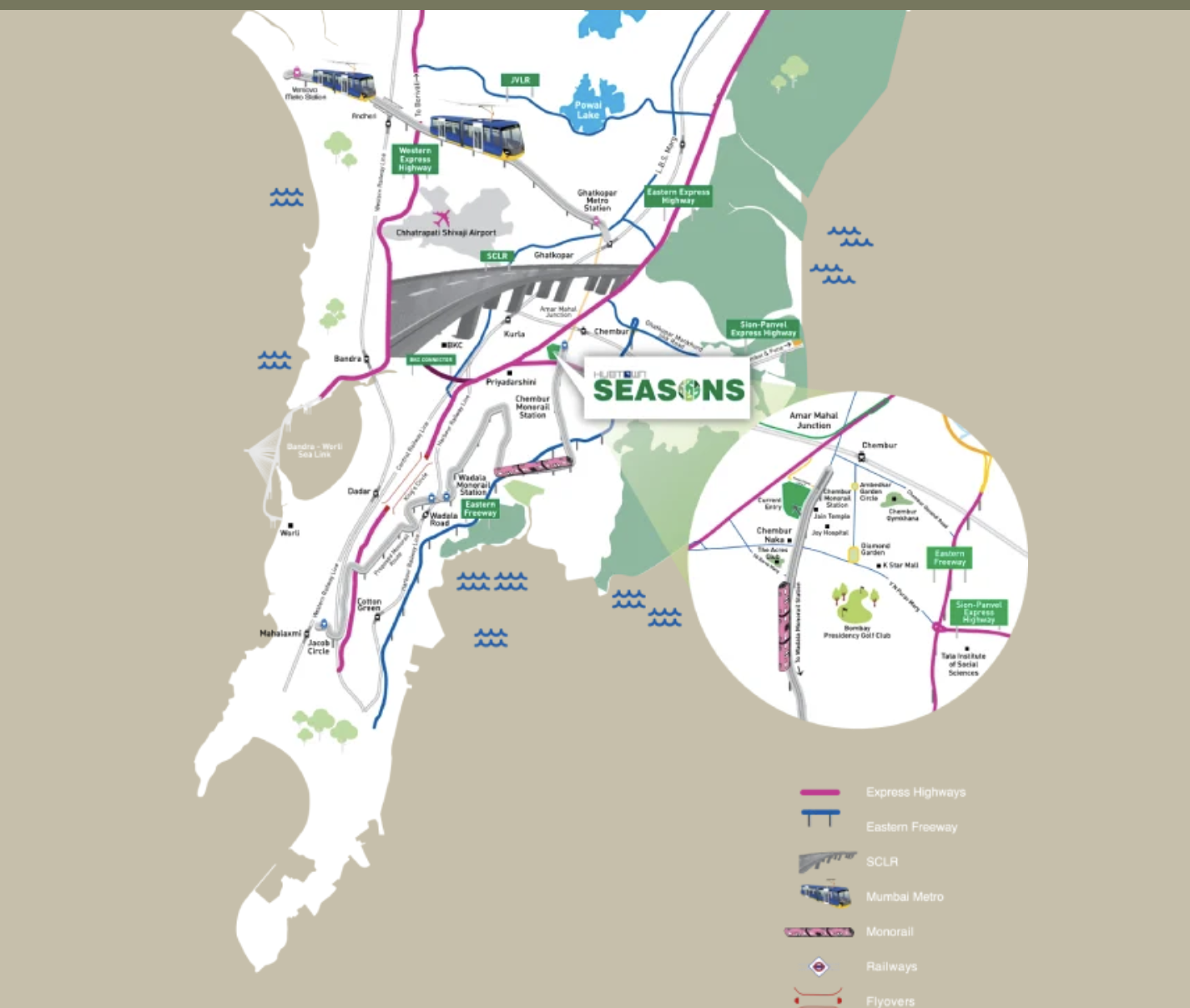

Connectivity
15 Minutesto BKC via BKC Connector
30 Minutesto Andheri via Mumbai Metro
30 Minutesto International Airport via Mumbai Metro
25 Minutesto Domestic Airport via SCLR
25 Minutesto Worli via Sea Link
30 Minutesto Mahalaxmi Racecourse via Monorail
35 Minutesto Thane via Eastern Express Highway
25 Minutesto Vashi via Sion Panvel Highway