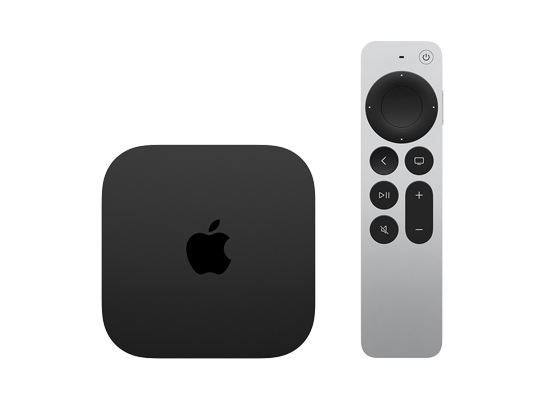
Download the latest beta firmware for iPhone, iPad, Mac, Apple Vision Pro, and Apple TV. Check the signing status of the beta firmware.
You might find installing IPSW files onto your device challenging without guidance. Follow the installation steps below, and you'll be able to do it yourself.
Need more help?
Read A Step-by-Step Guide
The industry was rocked recently by allegations surrounding the late Johnny Kitagawa (founder of Johnny’s) and decades of sexual abuse. The cultural reluctance to speak out—fueled by respect for authority and fear of blacklisting (the blacklist culture is real and unforgiving)—allowed the abuse to continue unseen for 50 years.
Furthermore, the "Kyoani" (Kyoto Animation) tragedy of 2019 highlighted how deeply these characters are woven into the national fabric. Fans wept not just for the dead animators, but for the "souls" of the characters they brought to life—a uniquely Japanese animistic view of art. Japan did not just participate in the video game revolution; it invented the living room. The crash of the North American video game market in 1983 was reversed by the Famicom (NES) from Nintendo. The Omotenashi of Game Design Japanese game design differs philosophically from Western design. While Western games (e.g., Call of Duty ) focus on simulation and realism, Japanese games (e.g., Pokémon , Final Fantasy , Zelda ) focus on systems mastery and atmosphere .
Domestically, however, the box office is ruled by live-action adaptations of anime ( Rurouni Kenshin ) and tear-jerking dramas ( Let Me Eat Your Pancreas ). The culture of "mono no aware" (the bittersweet transience of things) dictates Japanese endings. Unlike Hollywood’s demand for happy endings, Japanese audiences accept—and prefer—ambiguous, tragic, or unresolved conclusions because they mirror the Ukiyo (floating, sorrowful world). No analysis of the Japanese entertainment industry is complete without addressing the cultural costs. Nonton JAV Subtitle Indonesia - Halaman 48 - INDO18
The national broadcaster, NHK, is funded by a mandatory household tax. This creates a unique tension; the government has a direct stake in "wholesome" entertainment, leading to censorship of gore on terrestrial TV, forcing darker content to migrate to satellite or streaming. Part VII: The Future – Virtual Idols and Global Synergy The future of the industry is already visible in the form of Virtual YouTubers (VTubers) . Agency Hololive produces talents who are 2D anime avatars controlled by motion-captured voice actors. These VTubers have amassed millions of followers globally, selling out Tokyo Dome.
The cultural concept of Tsundoku (buying books and not reading them) translates to gaming: the ritual of purchasing "Limited Editions" and collector’s boxes is often more important than playing the game. The handheld culture (Nintendo Switch, formerly PSP) is also a result of Japanese urban commuting. Long train rides in Tokyo and Osaka turned mobile and handheld gaming into a public necessity, not a luxury. The industry was rocked recently by allegations surrounding
For the global consumer, Japanese media offers an escape from Western tropes. It offers silence, melancholy, endurance, and joy in the face of absurdity. Whether it is the silent tension of a Kurosawa duel or the screaming joy of a Nintendo victory screen, Japan has taught the world that entertainment is not just about distraction—it is a reflection of the soul’s struggle to find harmony in chaos.
The godfathers of this model are Johnny & Associates (Johnny’s), a talent agency so powerful it has effectively operated as a monopoly on male idols for decades, producing groups like SMAP , Arashi , and King & Prince . On the female side, the behemoth is AKB48 , which holds the Guinness World Record for the largest pop group (over 140 members). The core cultural philosophy of the idol industry is the concept of "Mada mada dame" (Not good enough yet). Fans are not buying a finished product; they are investing in a journey. Idols are marketed as clumsy, hardworking, and emotionally vulnerable. When an idol cries during a failed stunt on a variety show, it is not a scandal—it is a feature. Fans wept not just for the dead animators,
The cultural significance of anime is its willingness to tackle complex, often nihilistic themes wrapped in high-energy action. Neon Genesis Evangelion deconstructed the mecha genre into a study of depression. Attack on Titan questions morality in endless war. Jujutsu Kaisen is a Shonen battle manga, but it is drenched in Buddhist concepts of cursed energy and void.
The industry was rocked recently by allegations surrounding the late Johnny Kitagawa (founder of Johnny’s) and decades of sexual abuse. The cultural reluctance to speak out—fueled by respect for authority and fear of blacklisting (the blacklist culture is real and unforgiving)—allowed the abuse to continue unseen for 50 years.
Furthermore, the "Kyoani" (Kyoto Animation) tragedy of 2019 highlighted how deeply these characters are woven into the national fabric. Fans wept not just for the dead animators, but for the "souls" of the characters they brought to life—a uniquely Japanese animistic view of art. Japan did not just participate in the video game revolution; it invented the living room. The crash of the North American video game market in 1983 was reversed by the Famicom (NES) from Nintendo. The Omotenashi of Game Design Japanese game design differs philosophically from Western design. While Western games (e.g., Call of Duty ) focus on simulation and realism, Japanese games (e.g., Pokémon , Final Fantasy , Zelda ) focus on systems mastery and atmosphere .
Domestically, however, the box office is ruled by live-action adaptations of anime ( Rurouni Kenshin ) and tear-jerking dramas ( Let Me Eat Your Pancreas ). The culture of "mono no aware" (the bittersweet transience of things) dictates Japanese endings. Unlike Hollywood’s demand for happy endings, Japanese audiences accept—and prefer—ambiguous, tragic, or unresolved conclusions because they mirror the Ukiyo (floating, sorrowful world). No analysis of the Japanese entertainment industry is complete without addressing the cultural costs.
The national broadcaster, NHK, is funded by a mandatory household tax. This creates a unique tension; the government has a direct stake in "wholesome" entertainment, leading to censorship of gore on terrestrial TV, forcing darker content to migrate to satellite or streaming. Part VII: The Future – Virtual Idols and Global Synergy The future of the industry is already visible in the form of Virtual YouTubers (VTubers) . Agency Hololive produces talents who are 2D anime avatars controlled by motion-captured voice actors. These VTubers have amassed millions of followers globally, selling out Tokyo Dome.
The cultural concept of Tsundoku (buying books and not reading them) translates to gaming: the ritual of purchasing "Limited Editions" and collector’s boxes is often more important than playing the game. The handheld culture (Nintendo Switch, formerly PSP) is also a result of Japanese urban commuting. Long train rides in Tokyo and Osaka turned mobile and handheld gaming into a public necessity, not a luxury.
For the global consumer, Japanese media offers an escape from Western tropes. It offers silence, melancholy, endurance, and joy in the face of absurdity. Whether it is the silent tension of a Kurosawa duel or the screaming joy of a Nintendo victory screen, Japan has taught the world that entertainment is not just about distraction—it is a reflection of the soul’s struggle to find harmony in chaos.
The godfathers of this model are Johnny & Associates (Johnny’s), a talent agency so powerful it has effectively operated as a monopoly on male idols for decades, producing groups like SMAP , Arashi , and King & Prince . On the female side, the behemoth is AKB48 , which holds the Guinness World Record for the largest pop group (over 140 members). The core cultural philosophy of the idol industry is the concept of "Mada mada dame" (Not good enough yet). Fans are not buying a finished product; they are investing in a journey. Idols are marketed as clumsy, hardworking, and emotionally vulnerable. When an idol cries during a failed stunt on a variety show, it is not a scandal—it is a feature.
The cultural significance of anime is its willingness to tackle complex, often nihilistic themes wrapped in high-energy action. Neon Genesis Evangelion deconstructed the mecha genre into a study of depression. Attack on Titan questions morality in endless war. Jujutsu Kaisen is a Shonen battle manga, but it is drenched in Buddhist concepts of cursed energy and void.