Unleash the power of AI-driven background removal. Experience effortless precision and stunning results. Perfect for designers, photographers, and content creators alike.
Learn how to easily remove unwanted backgrounds from your images using SoftOrbits' Background Eraser Download.


Download and Install
Download the software from the official SoftOrbits website and follow the on-screen instructions to install it on your PC.

Import Your Image
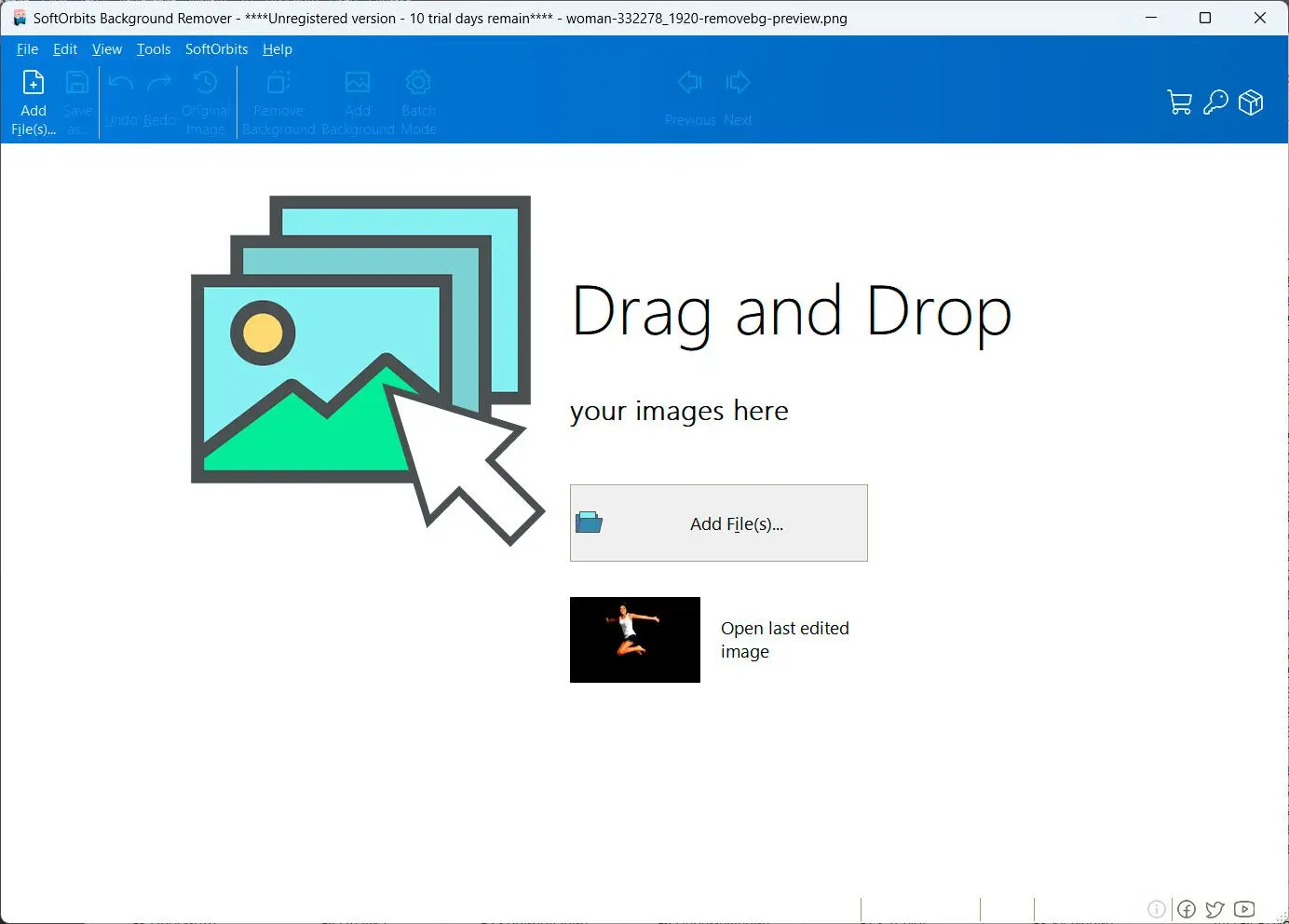
Open the software and import the image you want to edit by clicking the Open Image button or dragging and dropping the image onto the interface.

Remove the Background
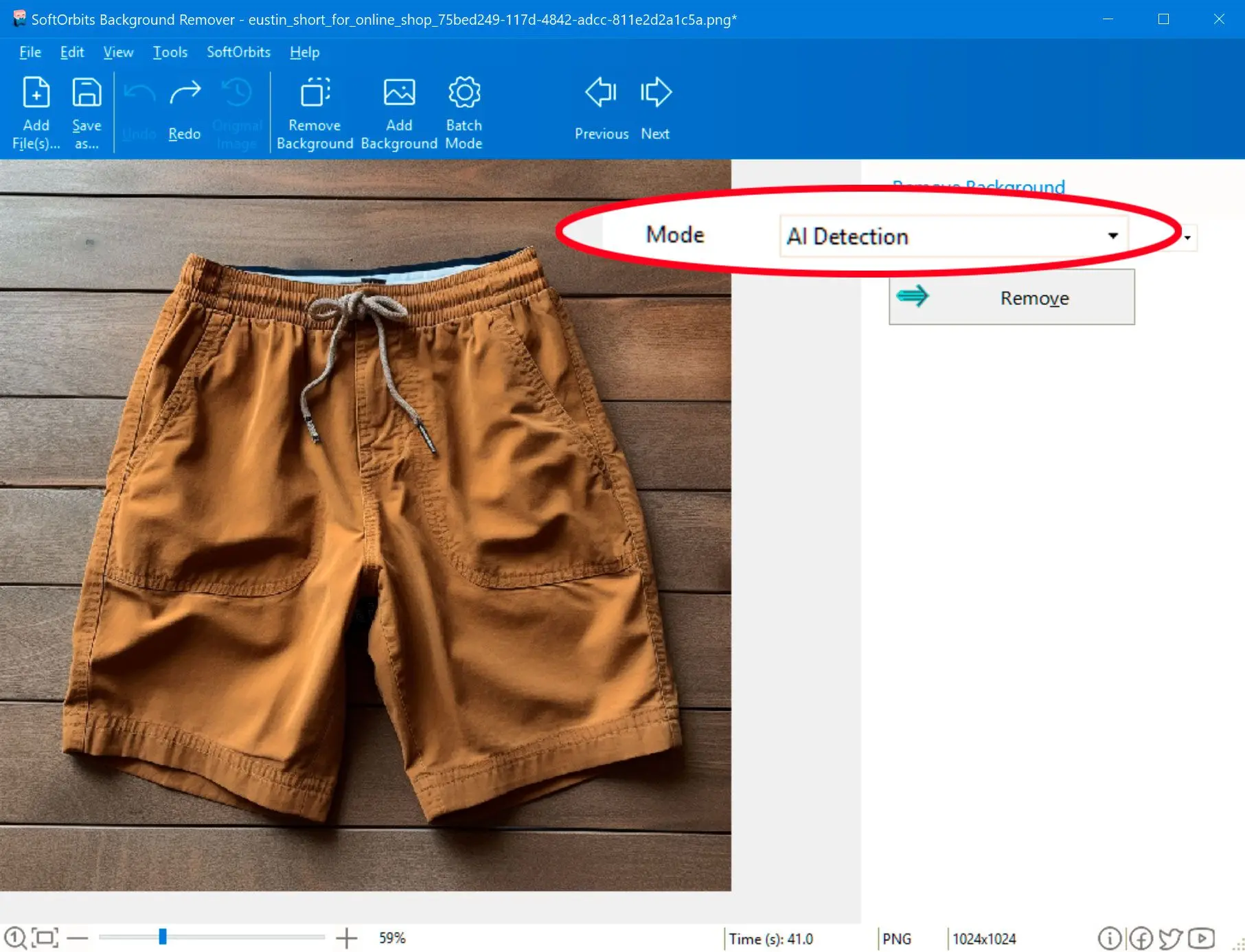
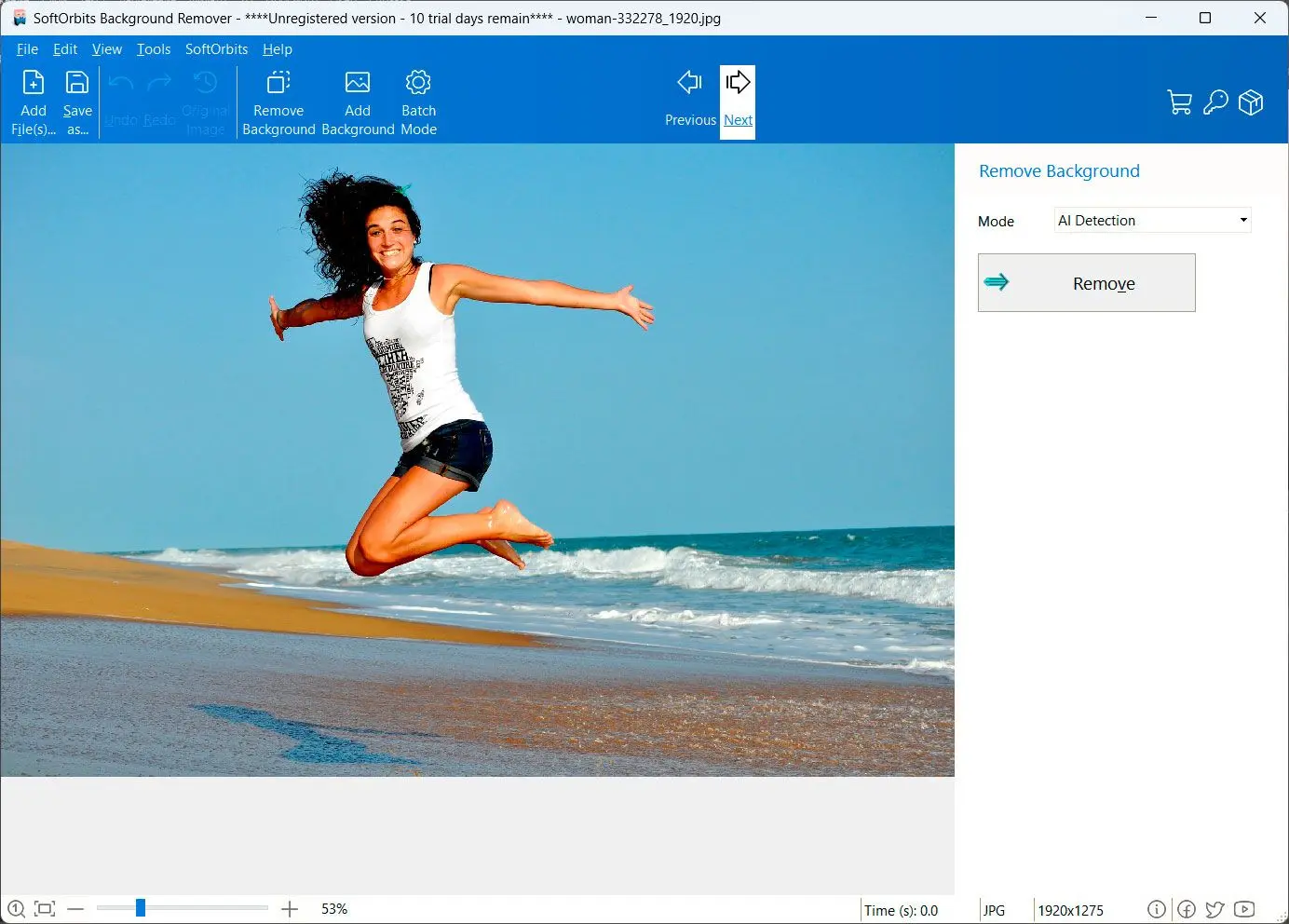
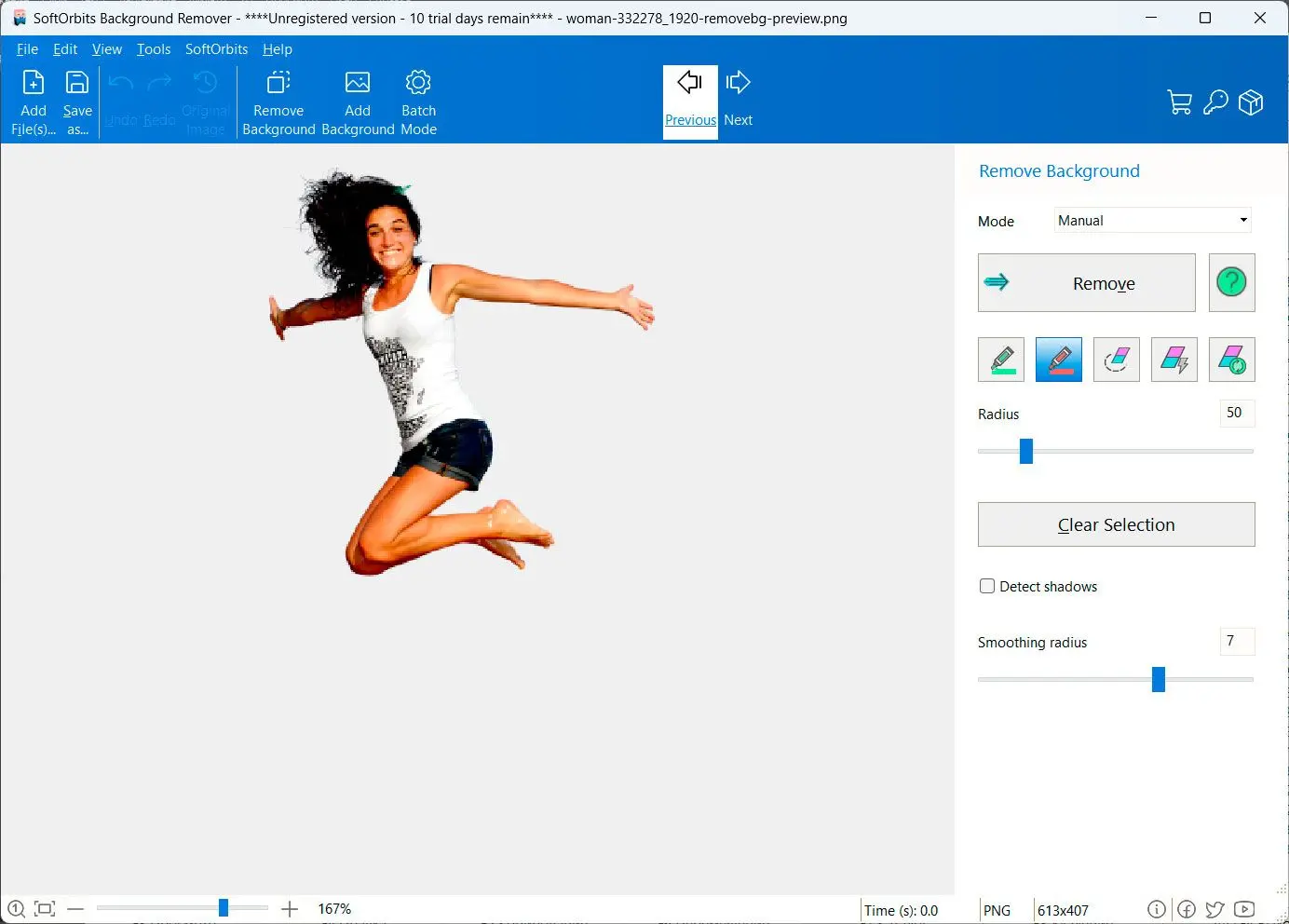
Use the software's intuitive tools to select the area you want to keep and remove the background. You can choose between automatic and manual removal modes.

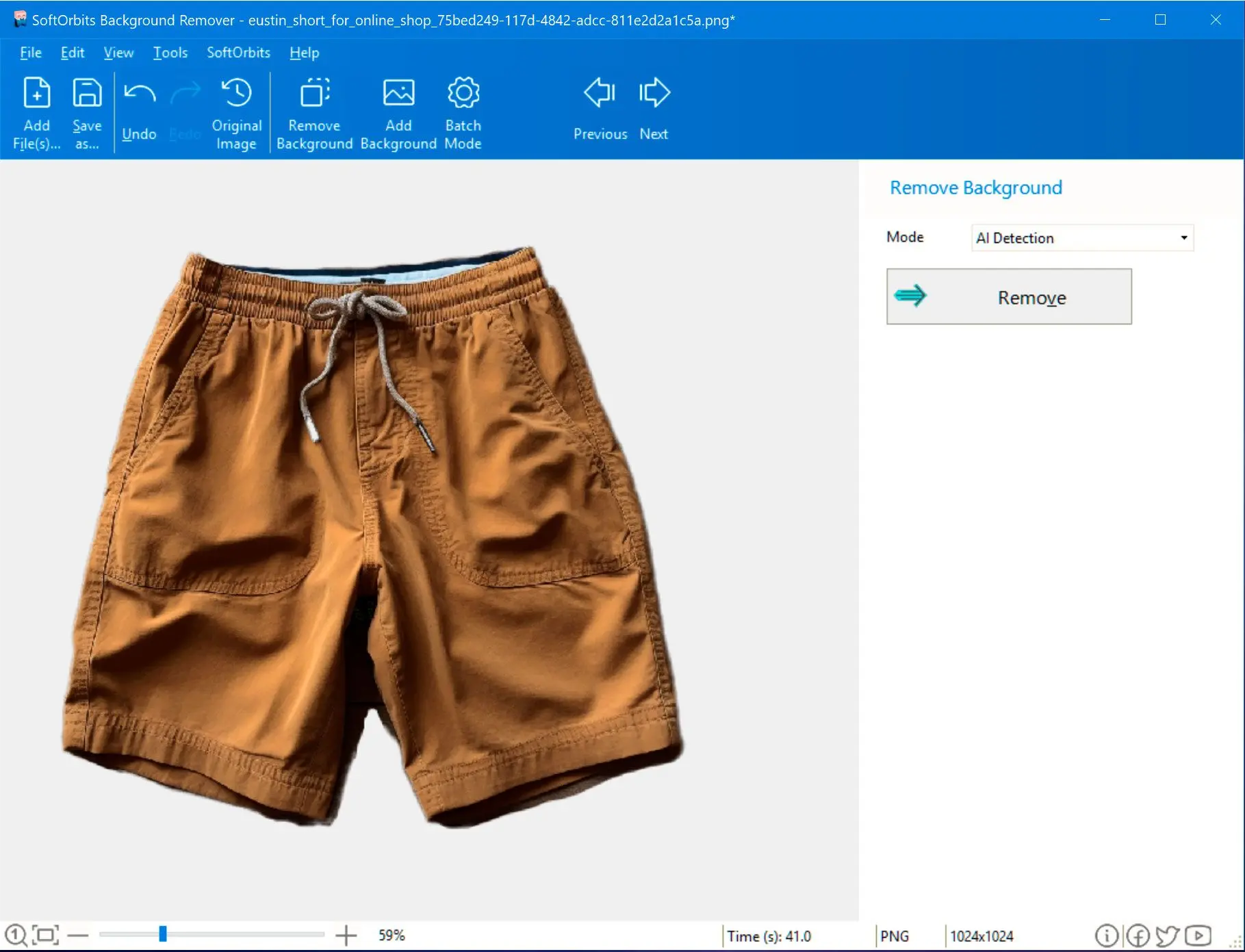
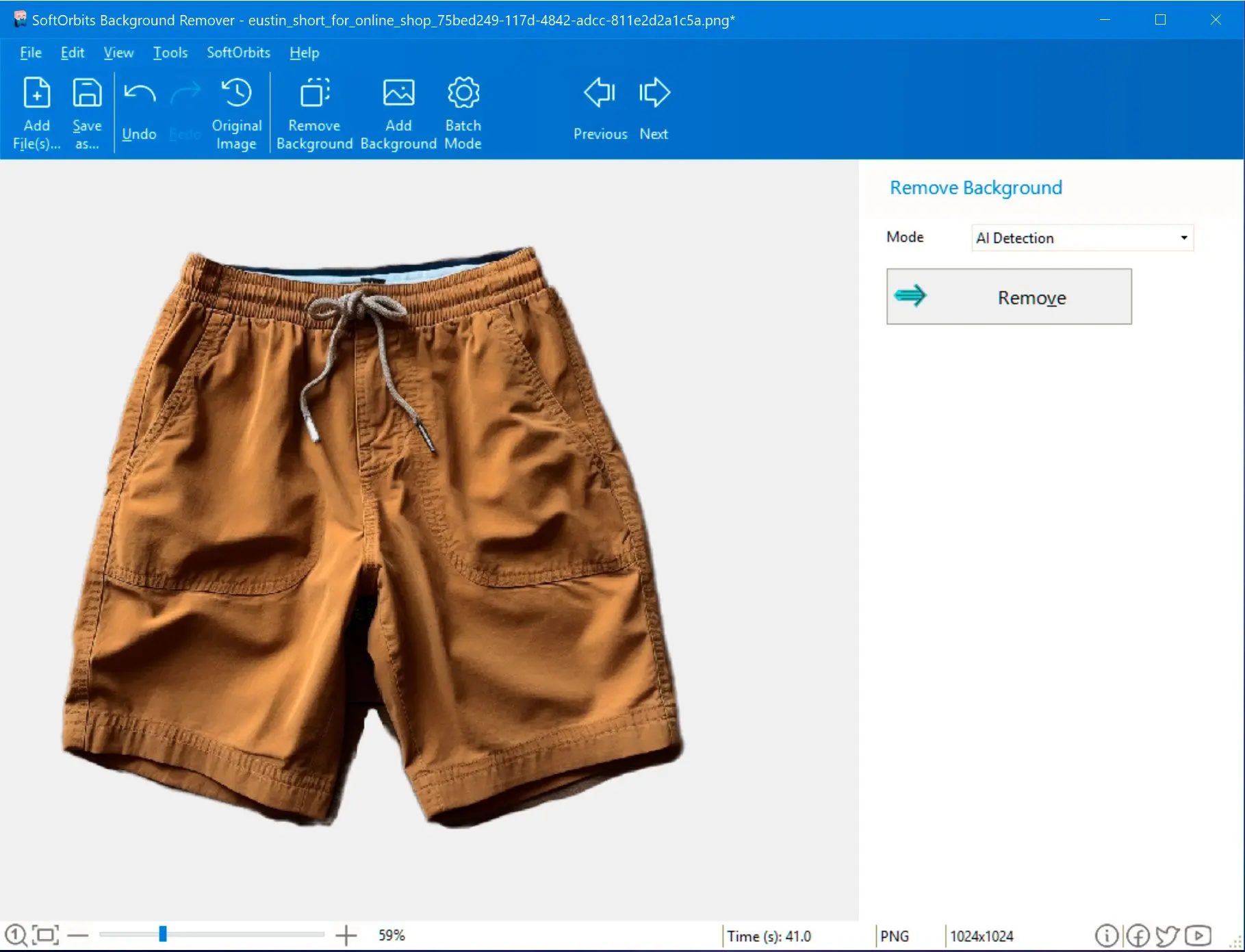
Our advanced AI algorithms accurately detect and remove even the most complex backgrounds, ensuring precise results. For those who prefer a more hands-on approach, our manual editing tools provide pixel-perfect control over the removal process.
Create stunning product images, design eye-catching social media graphics, or enhance your personal photos. Our tool empowers you to bring your creative vision to life.
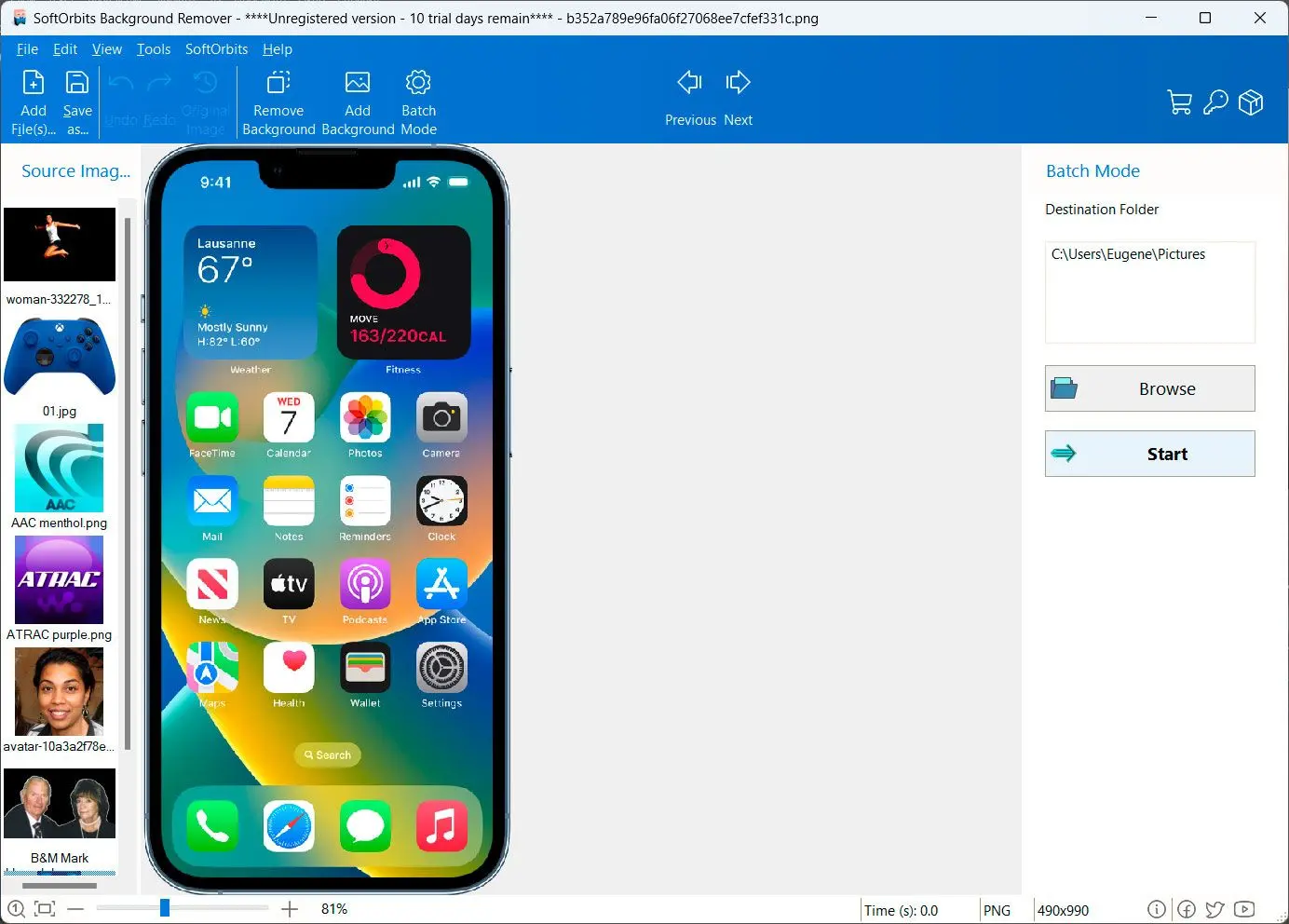
Fast and efficient batch processing capabilities allow you to quickly remove backgrounds from multiple images at once, saving you valuable time.
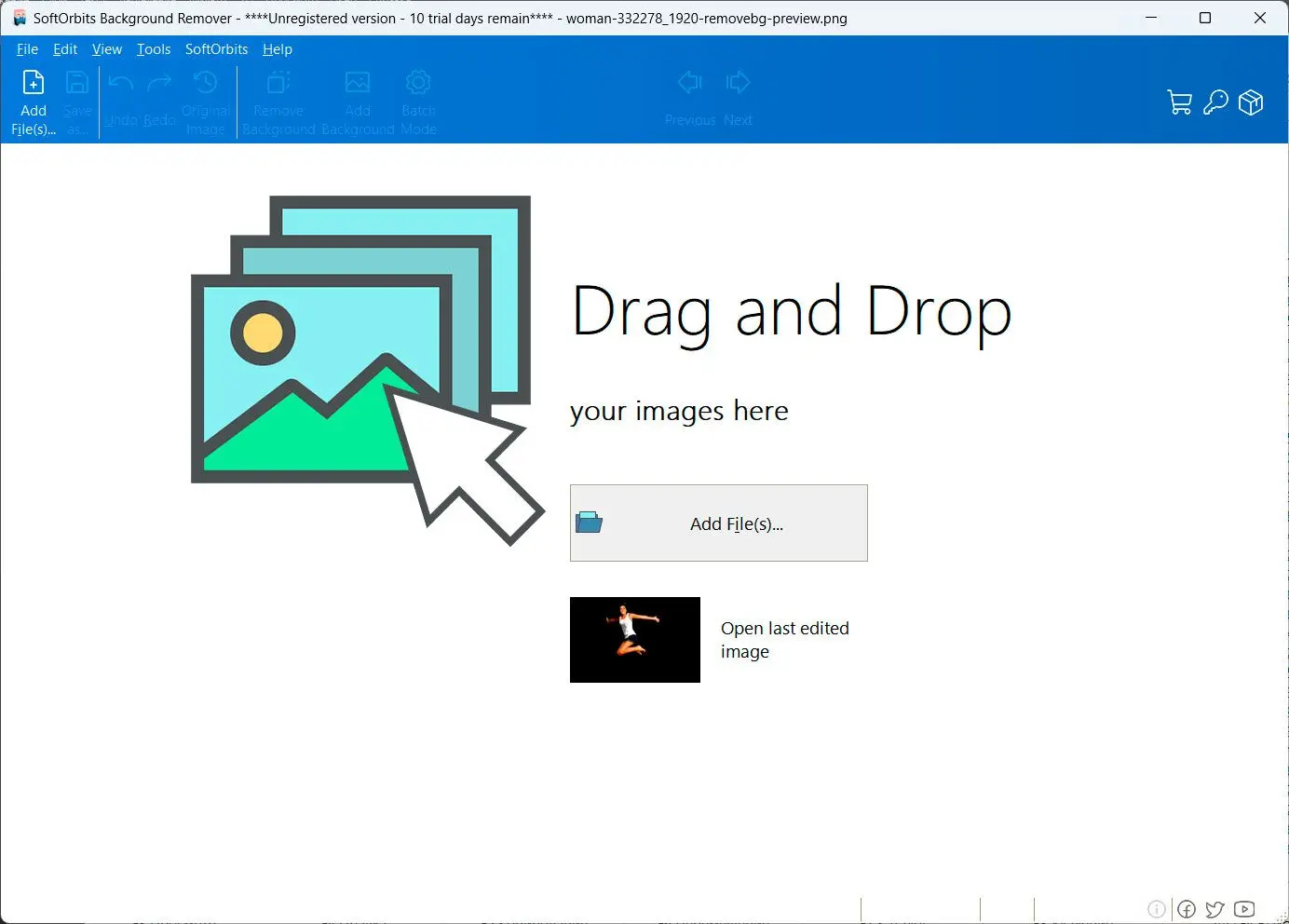
Once I installed sotware on your PC, I open it by double-clicking on the program icon.
To remove the background from your photo, import it into the software by clicking on the Open File button in the top left corner of the screen.
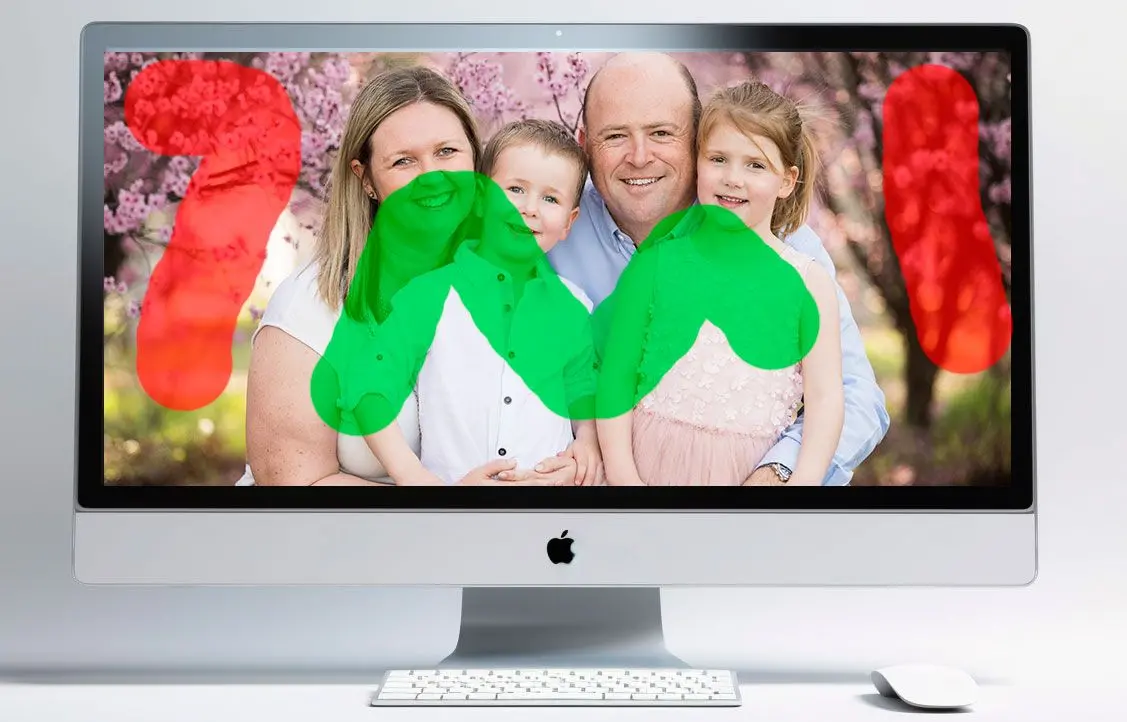
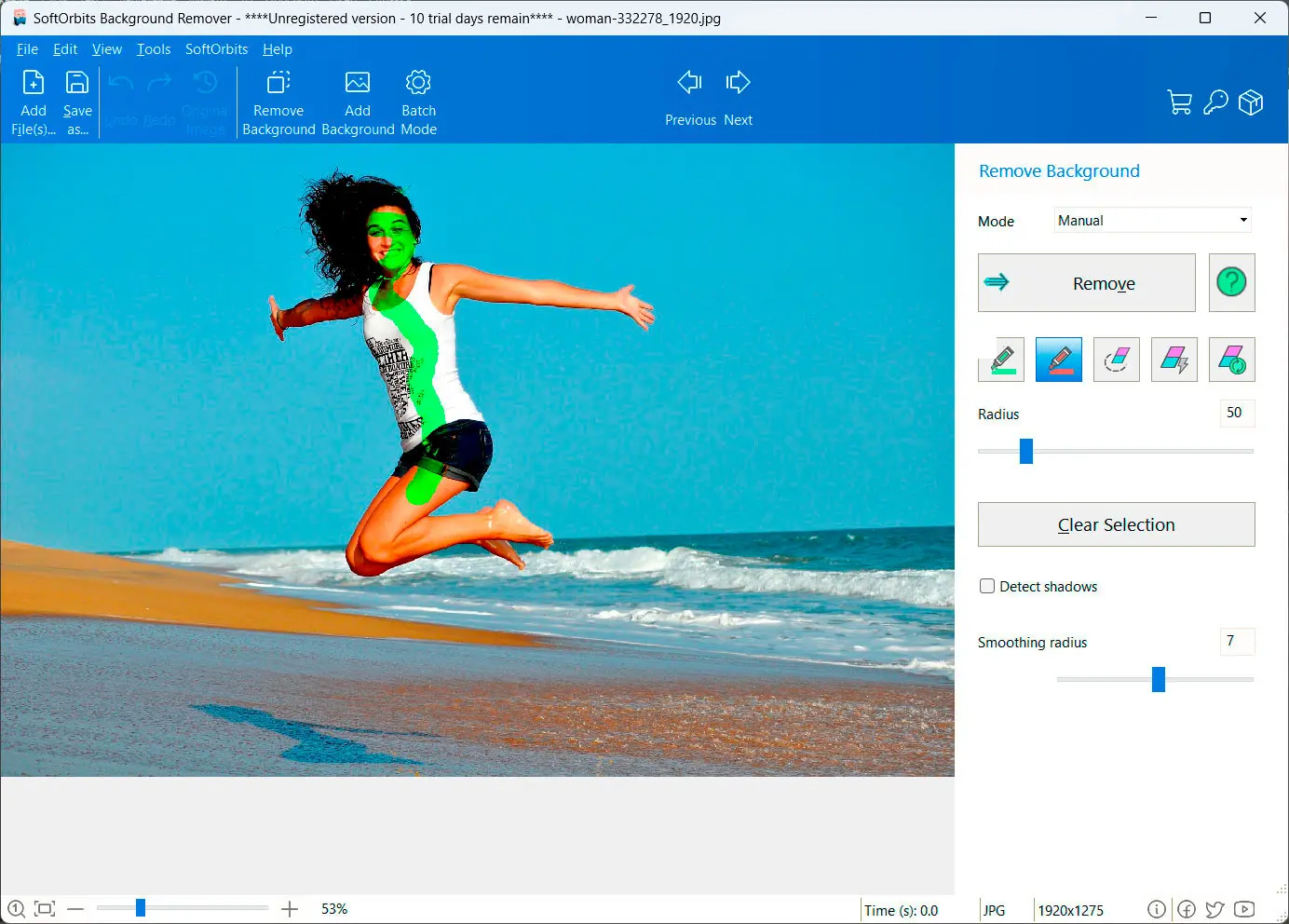
Do NOT require in most cases. AI will do this job for you. Using the green marker tool, carefully mark the object in the photo that you wish to keep. The software will automatically select the background to be removed.
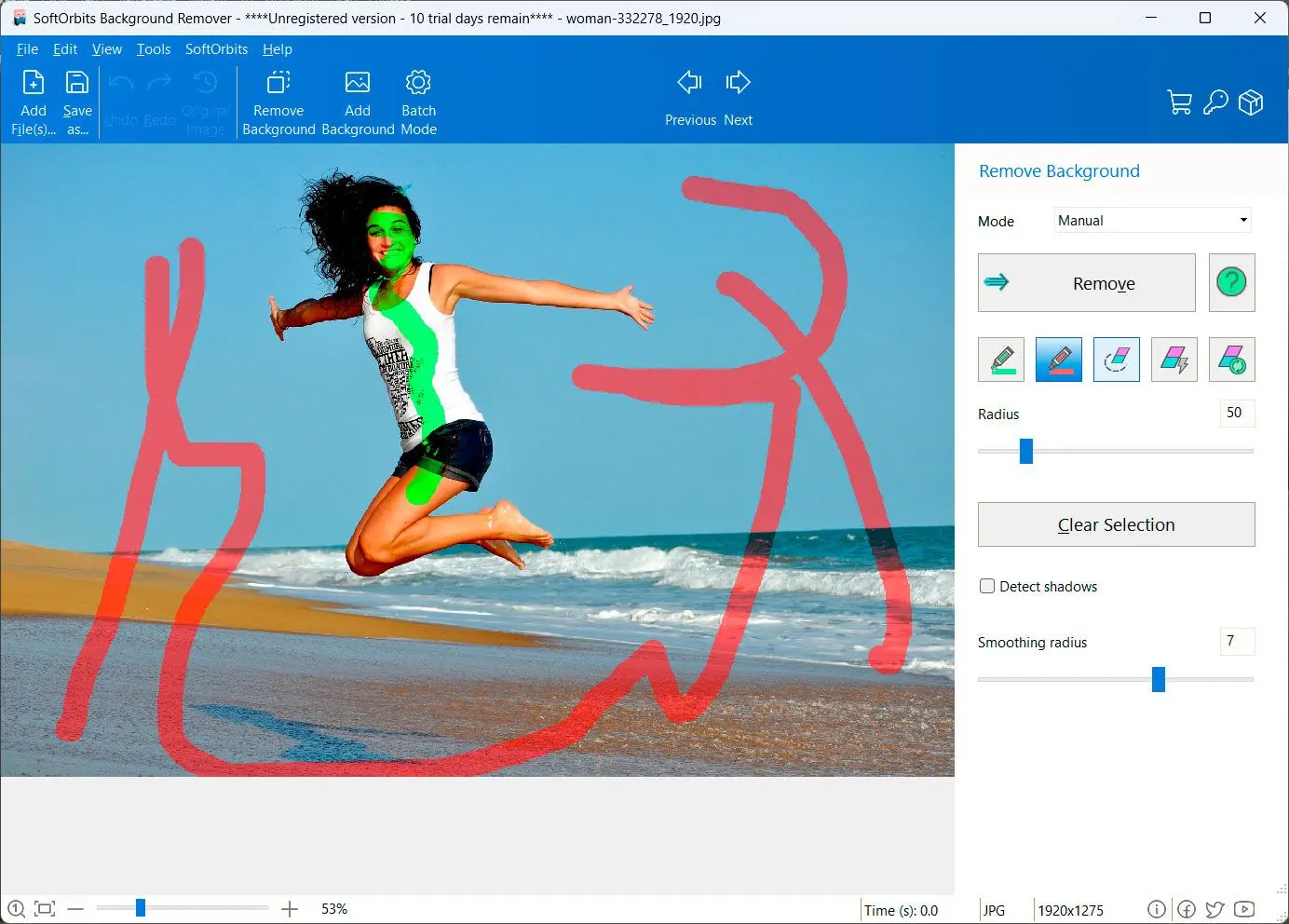
Do NOT require in most cases. Adjust the selection by using the red marker tool to mark any areas that were not correctly selected or that you want to exclude.
5/5 ⭐⭐⭐⭐⭐
5/5 ⭐⭐⭐⭐⭐
5/5 ⭐⭐⭐⭐⭐
5/5 ⭐⭐⭐⭐⭐
Leading organizations like The Survivor Trust now include "storyteller aftercare" as a key performance indicator (KPI). If a survivor feels worse after telling their story, the campaign has failed, regardless of viral success. As we look to the horizon, the relationship between survivor stories and awareness campaigns faces a new threat: synthetic media. Artificial intelligence can now generate incredibly realistic fake testimonials. While this could be used for good (e.g., anonymizing a real survivor by changing their voice but keeping their words), it opens the door to "deepfake advocacy"—manufactured trauma used to manipulate donors.
The shift began in the late 20th century with movements like the HIV/AIDS crisis, where activists like Ryan White and Pedro Zamora used their own dying breaths to humanize a stigmatized epidemic. They proved that a personal testimony could dismantle prejudice faster than any pamphlet. Layarxxi.pw.Yuka.Honjo.was.raped.by.her.husband...
When a survivor says, "This happened to me," the issue moves from a distant headline to a visceral reality. This article explores the delicate, transformative power of survivor narratives, the ethical responsibilities of sharing them, and how they are reshaping awareness campaigns across the globe. To understand why survivor stories are so effective, we must first understand the psychology of empathy. When we hear a statistic, the prefrontal cortex—the analytical part of our brain—lights up. We process the information logically, but we rarely act on logic alone. Leading organizations like The Survivor Trust now include
| Metric | Vanity | Value | | :--- | :--- | :--- | | | Number of impressions | Qualified reach (target demographics) | | Engagement | Likes and shares | Time spent reading/listening | | Conversion | N/A | Helpline calls, donation forms, petition signatures | | Survivor Well-being | N/A | Post-campaign anxiety surveys (Did we harm the storyteller?) | They proved that a personal testimony could dismantle
In the landscape of modern advocacy, data has long been the king of persuasion. For decades, non-profits, health organizations, and social justice movements have relied on cold, hard numbers to secure funding and influence policy. "One in four," "every nine minutes," or "over 40 million affected"—these statistics are designed to shock us into action.
As we move into an era of information overload, the organizations that succeed will be those that remember the ancient power of sitting by the fire and listening to someone who has walked through hell. They don’t just raise awareness. They raise humanity.