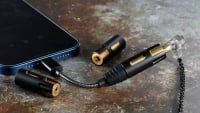
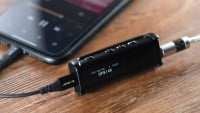
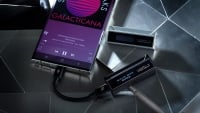
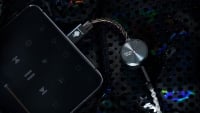
事隔兩年多的時間,Zorloo 為 Ztella 推出第二代了,名為 Ztella II。接駁訊源的一端依舊使用 USB Type-C,做到一插即用,可連接手機、iPad 或個人電腦等等;最大分別是接合耳機的一端,改用上 4.4mm 平衡輸出插口,而輸出功率比上代增強了不少,很容易就可感受得到強大的驅動力。


If the courts side with parents, Google may be forced to restore all deleted birth videos and implement a specific "medical exception" flag for birth workers. If Google wins, the company will have a green light to delete any video featuring nudity, regardless of context. The phrase "google drive birth videos patched" has become a cautionary fable for the digital age. It represents the moment a generation of parents realized that free cloud storage comes with invisible strings—strings that an algorithm can cut without warning.
Google is currently fighting a multi-front war against Child Sexual Abuse Material (CSAM). In 2023–2025, bad actors realized that hiding CSAM inside encrypted zip files alongside legitimate birth footage was an effective obfuscation tactic. By aggressively scanning all video content—including medical and birth videos—Google can argue in court that it has "actual knowledge" of its contents.
If you are a parent, doula, or midwife who has stored unmedicated home births, cesarean sections, or water births on Google’s servers, you have likely felt a sudden jolt of panic—or relief—depending on which side of the update you fall.
The patch is real. It is active. And it is irreversible for the videos already caught in the net.
This article unpacks exactly what happened, why Google changed its policies regarding sensitive medical content, how the "patch" circumvented previous workarounds, and what your alternatives are now. For years, Google Drive operated in a gray area regarding graphic medical content. While the platform’s public terms of service always prohibited "sexually explicit material," birth videos occupied a unique space. They are inherently graphic (involving nudity, bodily fluids, and intense physical exertion) but are legally classified as non-sexual medical content.
In the sprawling ecosystem of cloud storage, Google Drive has long been hailed as a digital fortress. But over the last 18 months, a specific, niche phrase has bubbled up from parenting forums, birth worker communities, and tech subreddits: "Google Drive birth videos patched."
If the courts side with parents, Google may be forced to restore all deleted birth videos and implement a specific "medical exception" flag for birth workers. If Google wins, the company will have a green light to delete any video featuring nudity, regardless of context. The phrase "google drive birth videos patched" has become a cautionary fable for the digital age. It represents the moment a generation of parents realized that free cloud storage comes with invisible strings—strings that an algorithm can cut without warning.
Google is currently fighting a multi-front war against Child Sexual Abuse Material (CSAM). In 2023–2025, bad actors realized that hiding CSAM inside encrypted zip files alongside legitimate birth footage was an effective obfuscation tactic. By aggressively scanning all video content—including medical and birth videos—Google can argue in court that it has "actual knowledge" of its contents.
If you are a parent, doula, or midwife who has stored unmedicated home births, cesarean sections, or water births on Google’s servers, you have likely felt a sudden jolt of panic—or relief—depending on which side of the update you fall.
The patch is real. It is active. And it is irreversible for the videos already caught in the net.
This article unpacks exactly what happened, why Google changed its policies regarding sensitive medical content, how the "patch" circumvented previous workarounds, and what your alternatives are now. For years, Google Drive operated in a gray area regarding graphic medical content. While the platform’s public terms of service always prohibited "sexually explicit material," birth videos occupied a unique space. They are inherently graphic (involving nudity, bodily fluids, and intense physical exertion) but are legally classified as non-sexual medical content.
In the sprawling ecosystem of cloud storage, Google Drive has long been hailed as a digital fortress. But over the last 18 months, a specific, niche phrase has bubbled up from parenting forums, birth worker communities, and tech subreddits: "Google Drive birth videos patched."