As the years pass, the importance of preserving and restoring vintage films, including homemade blue films, becomes increasingly evident. Organizations like the Film Society of the Lincoln Center, the Museum of Modern Art (MoMA), and the UCLA Film & Television Archive work tirelessly to collect, preserve, and make these films available to new generations of film enthusiasts.
The world of homemade blue film classic cinema offers a unique window into the creative endeavors and passions of amateur filmmakers past. By exploring these vintage movies, film enthusiasts can gain a deeper appreciation for the evolution of cinema, the power of creative freedom, and the enduring charm of homemade blue film. Whether you're a cinephile, a film historian, or simply someone looking for a new cinematic adventure, the world of homemade blue film classic cinema is waiting to be discovered. desi homemade blue film flv link
The 1960s and 1970s are often regarded as the golden age of homemade blue film. During this period, the advent of portable cameras, affordable film stock, and relaxed censorship laws enabled a new wave of amateur filmmakers to create content that was previously unimaginable. These filmmakers, often driven by a passion for storytelling and a desire to push boundaries, produced a remarkable body of work that continues to inspire and entertain. As the years pass, the importance of preserving
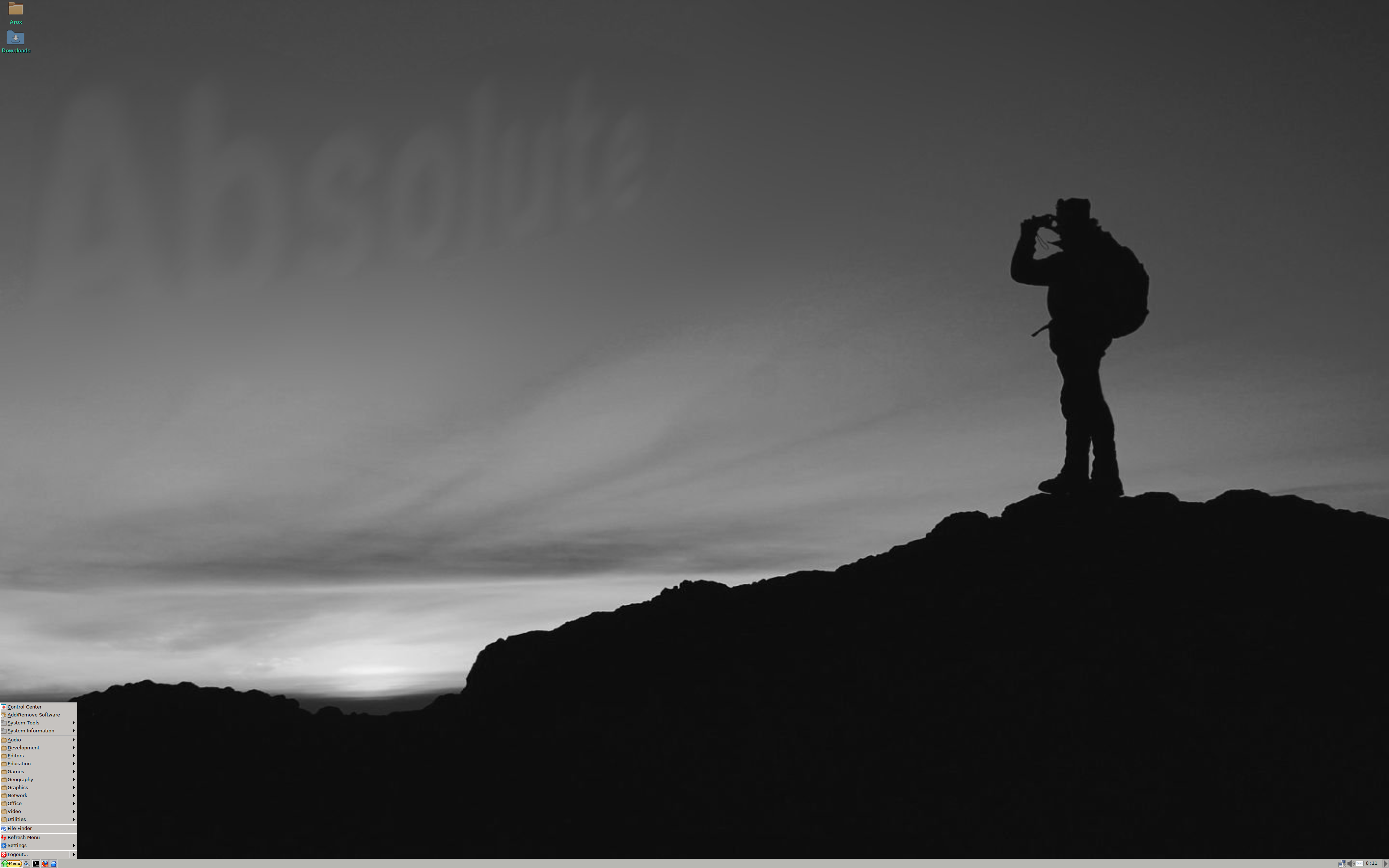
Absolute Linux will continue development under eXybit Technologies, built with the same approach and
structure we've used to develop RefreshOS. We're not here to reinvent what made Absolute great, we're here
to carry it forward.
Since 2007, Absolute has stood for being simple, pre-configured, and lightweight. Slackware made easy.
That core philosophy isn't changing. Absolute will always be free, open-source, built for ease of use,
and based on the Slackware foundation.
As of now, there is no set release date for the first eXybit-developed stable version of Absolute Linux. We're bringing Absolute into modern computing while keeping it minimal. The first step is to preserve what already exists, rebuild the underlying infrastructure, and create a canary version of the next major stable release.
You can still download the original versions of Absolute Linux by Paul Sherman on SourceForge.